Another stand out lesson I received from this stand out individual, my Introduction to Film Studies professor Todd Berliner, is the art that stands out over time as great, usually runs risk of being a closer kin to bad art.

Not sure if Berliner would agree with this paraphrasing of his teachings. I reckon another way to say it is to say that taking artistic risks comes with consequence, and its possible, perhaps probable that one of the consequences is that more enjoy your creation, for a longer amount of time.
The more the individual can put their own uniqueness into their creation the more it will stand out in the sea of already in existence and can perhaps more easily stand the test of time.
Maybe you can think of examples of artworks you love but can see how they could almost be terrible.
Here's some examples that come up for me…
- The artwork of Jean-Michael Basquiat.
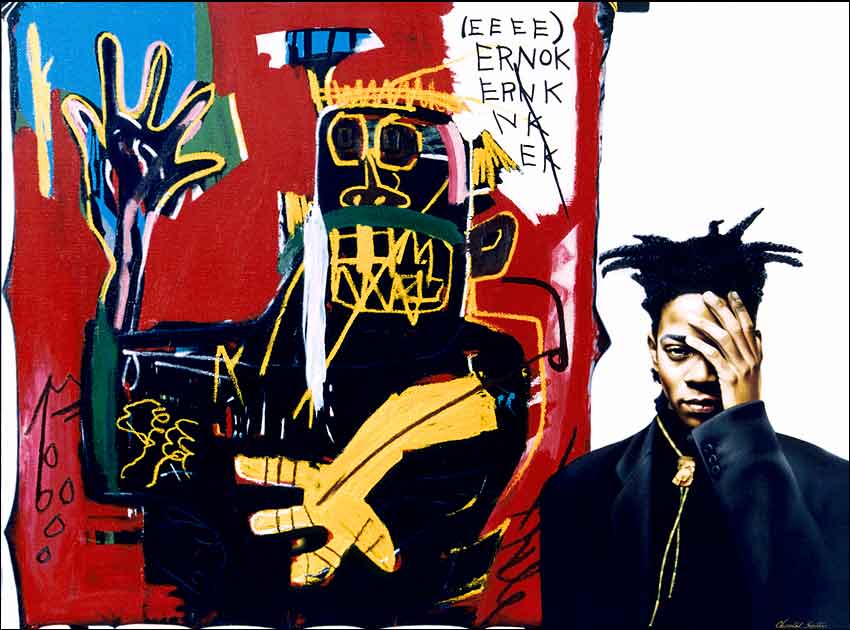
If I didn't already know Jean-Michael Basquiat painted this painting and someone told me it was created by a talented child, I wouldn't not believe them.
- The plot of Rocky Horror Picture Show.
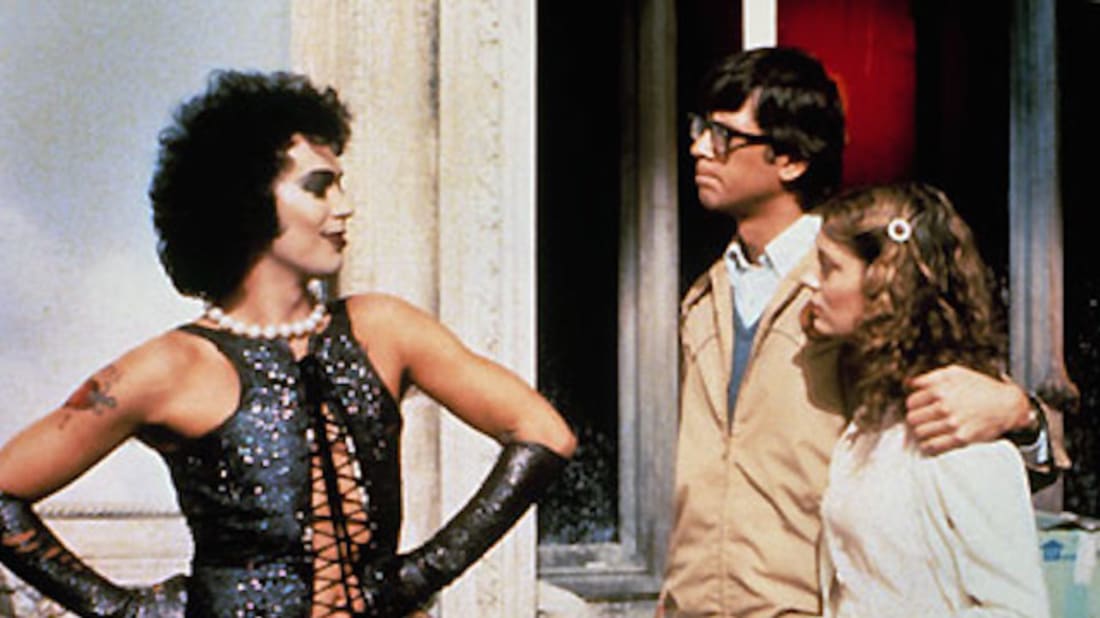
A bisexual, transvestite, alien, seduces a naive young couple at his party to celebrate the sex/slave/monster he's successfully created by murdering people. Then their entire home gets beamed back to their home planet, and they sing songs about it, and there's also a cop that tells us about it for some reason. Any loose ends only seem to provide opportunity for audience to fill in any plot hole gaps for themselves, though they're probably too busy singing the catchy songs.
- Any David Lynch film.
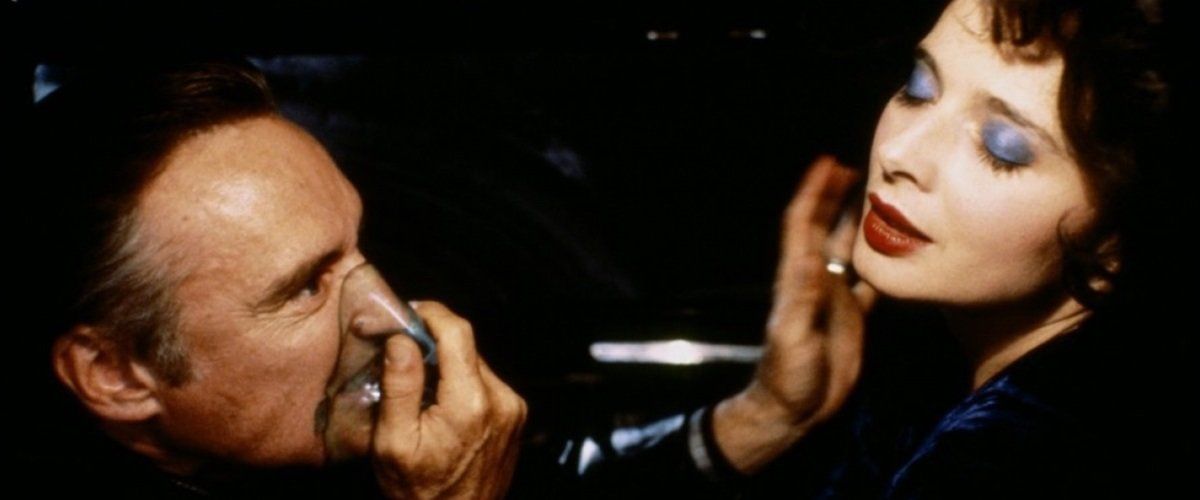
Imagine any other director making Blue Velvet. Would it still be talked about as a great film, all these years later?
- Best film example I can think of is Symbiopsychotaxiplasm: Take 1.
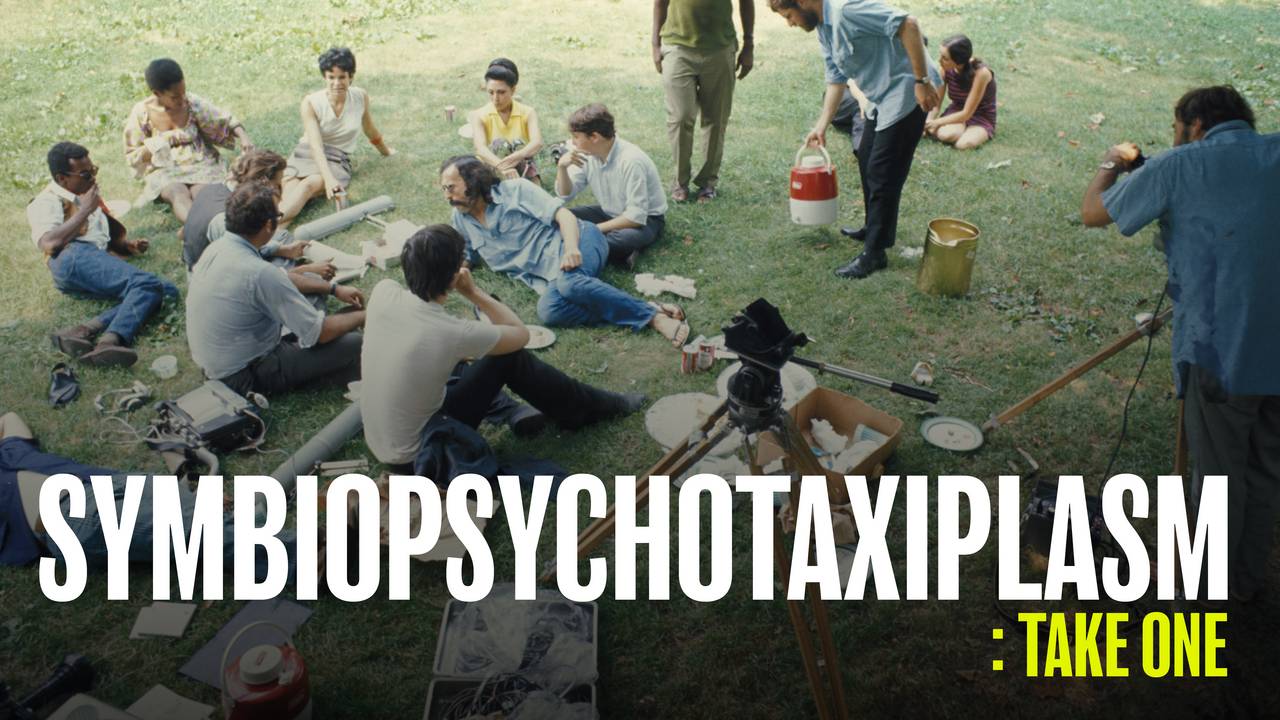
This 1968 documentary film about documenting a film of wife and husband characters who's dialogue metaphorically comments upon the comments of the “real life” people commenting on the film, and/or on the film being made about the film, and/or on real life, in general.
Take One
Thus creating a circular meta-documentary like no other. That is, until director William Greaves creates Symbiopsychotaxiplasm: Take 2 ½, 35 years later.
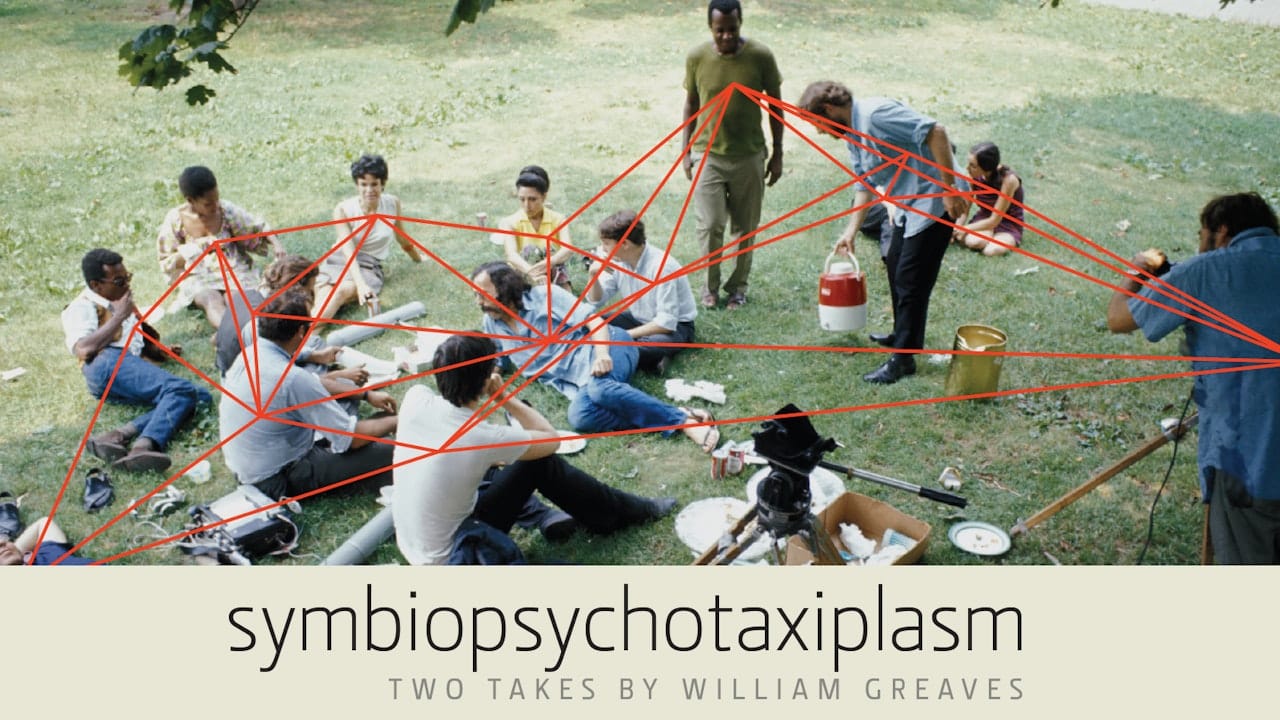
I've enjoyed both takes several times but still can only say the title proper by reading and sounding out each syllable. This challenge could be viewed as a metaphor for this creation being so unique that trying to classify, categorize, or label it in a way implying judgement could be considered as absurd as the film's title itself, or even attempting its verbatim recitation. The ambiguousness of what is “good” and/or “bad” seems to become the achievement to strive for, with the real sin in becoming the mundane.
Time is a factor, the period of time we are in, as well as the amount of times a piece of art is consumed. Upon it's release Rocky Horror Picture Show was a box office flop — only many years later to become a talk back, sing along, interactive experience, cultural phenomenon. Similarly Symbiopsychotaxiplasm didn't even have a theatrical release. It couldn't get one. It was only many decades later that it got picked up by Criterion after two Steves, Steven Soderberg and Steve Bucimmi saw it at a Sundance Screening and approached Greaves about doing a sequel, and a half.
Art that stands the test of time must stand out. Sometimes it takes time for the public to recognize artistic greatness, but it seems to take even longer to recognize greatness in artistic badness. This is apparent in the now well known film genre commonly referred to as “bad/good movies”. Incredible film experiences like Troll 2, or The Room, or my personal fave Batman & Robin have found much “success” in succeeding in badness.
Troll 2 has inspired a good documentary to be made about it called Best/Worst Movie and The Room has regular public theater screenings in various US cities despite it being released nearly 20 years ago. So how do we properly distinguish “great art” from “bad art” when the later inspires so much enjoyment for such different reasons?
We could explore this concept as it relates to music videos. Take these two for example.
Lil Nas X - “MONTERO” (Call Me By Your Name)
DIR: Tanu Muino & Lil Nas X
Insane Clown Posse - “Miracles"
Dir: Paul Andresen
In watching these two clips, I would imagine that most, including myself, categorize the Lil Nas X clip in the “great” category, and Insane Clown Posse in the “bad.” However the viewing enjoyment I receive from both feels mostly equivalent. When Shaggy 2 Dope asks the musical question, “Magnets, how do they work?” I laugh cause it seems like a dumb question, especially in slow jam song form, but then I ponder, “Magnets, how do they work?” I don't have an answer. These insane clowns must be right. Must be miracles.
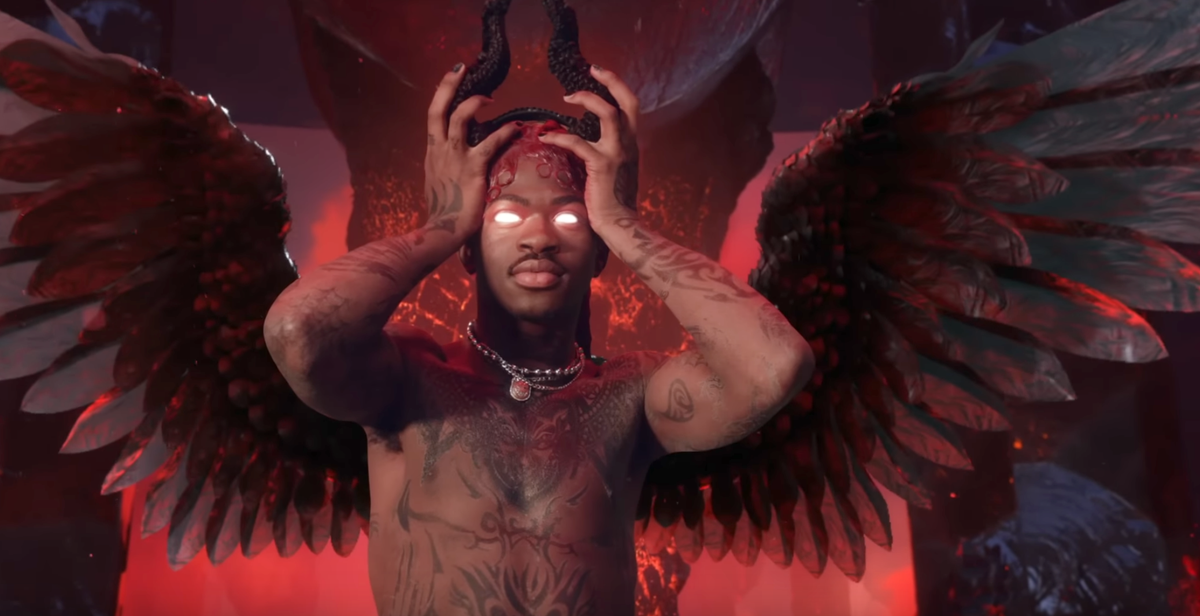
Thinking this way stimulates the same brain circuits as when Lil' Nas X is seducing, then killing, then becoming Satan. The hero of this video transforms into the supposed “baddest” being there is. Thus embodying both sides of duality; hero/villain, great/bad; serving as metaphor for basically everyone. We're all the hero and the villain in our own stories. Any need to label something or ourselves as "great" or "bad" only seems to serve our villain side, robbing us of the joy that freedom from judgement can bring.
Perhaps more important than labeling something is “great” or “bad,” is does it deserve our attention in the first place and why. Because regardless of a piece of art's quality, our consumption of it can still positively enhance our existence through the questions and conversations it can conjure. Since I'm the self-appointed professor teaching this music video class on the examination of human existence through the lens of music videos, I'm encouraging our precious attentions be drawn to only the most favest, most question and conversation conjuring music video specimens. And since I'm the picking the music vid specimens to examine, I want you to know I've thought about the fave selection process thoroughly.
These fave music videos will not selected because they are “great” or “bad” but because they uniquely inspire thoughts and/or feelings that perhaps enhance our experience of ourselves in this existence. There is a philosophy involved in this process, and as we've witnessed from the Insane Clown Posse's belief that this existence is a miracle, or Lil Nas X's positive attitude in accepting his new position as prince of hell, philosophies are of importance.
Next class we'll discuss the 9 philosophies of fave music vid selection.

Member discussion: